
Home / Courses / Materiovigilance
Materiovigilance
Materiovigilance training inside the ASCEND programme.
- ✓ B.Pharm, M.Pharm, Pharm D and life sciences graduates.
- ✓ Certification Course
- ✓ Shreerama Jagannadha
Get the Materiovigilance syllabus & counselling call
The form opens with Materiovigilance already chosen. You can also download the brochure.
Overview
Materiovigilance training inside the ASCEND programme. Mentor: Shreerama Jagannadha.
Who is this for
B.Pharm, M.Pharm, Pharm D and life sciences graduates.
Certificate
Certification Course
Materiovigilance
Curriculum
15 Hours · 14 Topics · 5 Modules · Assessment & Mock Interview
01Module 01Medical Device Foundations
01
Introduction to Materiovigilance (Medical Devices)
- What materiovigilance is and why it matters
- Difference between pharmacovigilance and materiovigilance
- Lifecycle of a medical device and post-market surveillance
02
Medical Devices & Regulations
- Definition of a medical device
- US FDA (21 CFR), EU MDR 2017/745 and India MDR 2017
- Role of FDA, notified bodies and CDSCO / MvPI
03
Classification of Medical Devices & Examples
- Risk-based classification rules
- US Class I–III, EU Class I–III, India Class A–D
- Real-world examples for each class
- Device classification at a glance
- Low: US FDA Class I, EU MDR Class I, India MDR Class A — Bandages, tongue depressors, manual stethoscopes
- Low–moderate: US FDA Class II, EU MDR Class IIa, India MDR Class B — Syringes, hearing aids, thermometers
- Moderate–high: US FDA Class II, EU MDR Class IIb, India MDR Class C — Infusion pumps, ventilators, X-ray equipment
- High: US FDA Class III, EU MDR Class III, India MDR Class D — Pacemakers, heart valves, implantable defibrillators
- Classification depends on intended use and the specific rules of each regulation; examples are typical, not absolute.
02Module 02Complaint Handling & Investigation
04
Complaint & Non-Complaint, Reportable & Non-Reportable
- Definition of a complaint and how it is received
- Complaint vs non-complaint scenarios
- Reportable vs non-reportable decision basics
05
UDI & Process Flow of MDV
- Unique Device Identification: DI and PI
- UDI databases: GUDID and EUDAMED
- End-to-end materiovigilance case process flow
- 1 Complaint received
- 2 Intake & triage
- 3 GFE / follow-up
- 4 Investigation
- 5 Reportability (GDT)
- 6 MDR / MIR submission
- 7 CAPA & closure
- UDI = Device Identifier (DI) + Production Identifier (PI)
- DI: Identifies the labeller and the specific device model / version
- PI: Lot or batch, serial number, expiry date and manufacturing date
06
GFE (Good Faith Effort) & Investigation
- Purpose of good faith effort and follow-up
- Documenting attempts to obtain information
- Device evaluation and complaint investigation
03Module 03Decision Making & CAPA
07
GDT (Global Decision Tree) & Value Addition
- Structure of a global decision tree
- Applying the GDT for reportability decisions
- Value addition points: consistency and audit readiness
08
CAPA & Investigation Summarization
- Corrective vs preventive action
- Root cause analysis: 5 Whys and fishbone
- Writing a clear investigation summary
04Module 04Regulatory Reporting
09
Submitting MDR, MIR & Foreign Country Reports
- Medical Device Report (MDR) process – US FDA
- Manufacturer Incident Report (MIR) – EU
- Foreign country reports and submission tracking
- US FDA: 30 calendar days — Deaths, serious injuries and reportable malfunctions
- US FDA: 5 work days — Events needing remedial action, or when FDA requests
- EU MDR: 2 days — Serious public health threat
- EU MDR: 10 days — Death or unanticipated serious deterioration in health
- EU MDR: 15 days — Other serious incidents
10
MDR Forms for Different Regulatory Bodies
- FDA Form 3500A and eMDR
- EU MIR form and serious incident reporting
- Other regions: Health Canada, TGA, India MvPI
11
Demonstration of MAUDE Database
- What the FDA MAUDE database contains
- Searching reports by device, product code and date
- Reading and interpreting MAUDE reports
05Module 05Devices, Complaints & Assessment
12
Different Types of Medical Devices
- Implantable and life-supporting devices
- Diagnostic, IVD and imaging devices
- Software as a medical device and combination products
13
Discussion on Medical Device Complaints
- Common complaint categories: malfunction, injury, labelling
- Case studies and practical complaint examples
- Coding and narrative writing practice
- Malfunction: Device fails to perform as intended
- Serious injury: Harm needing medical intervention
- Death: Event possibly linked to the device
- Labelling / IFU: Unclear or incorrect instructions
- Packaging: Damaged, open or unsterile packs
- Use error: Misuse or user-related issues
14
Assessment (Written) & Mock Interview
- Written assessment on all topics
- One-on-one mock interview
- Feedback and improvement plan
- Written: Assessment on all topics
- 1:1 Interview: One-on-one mock interview
- Feedback: Personal improvement plan
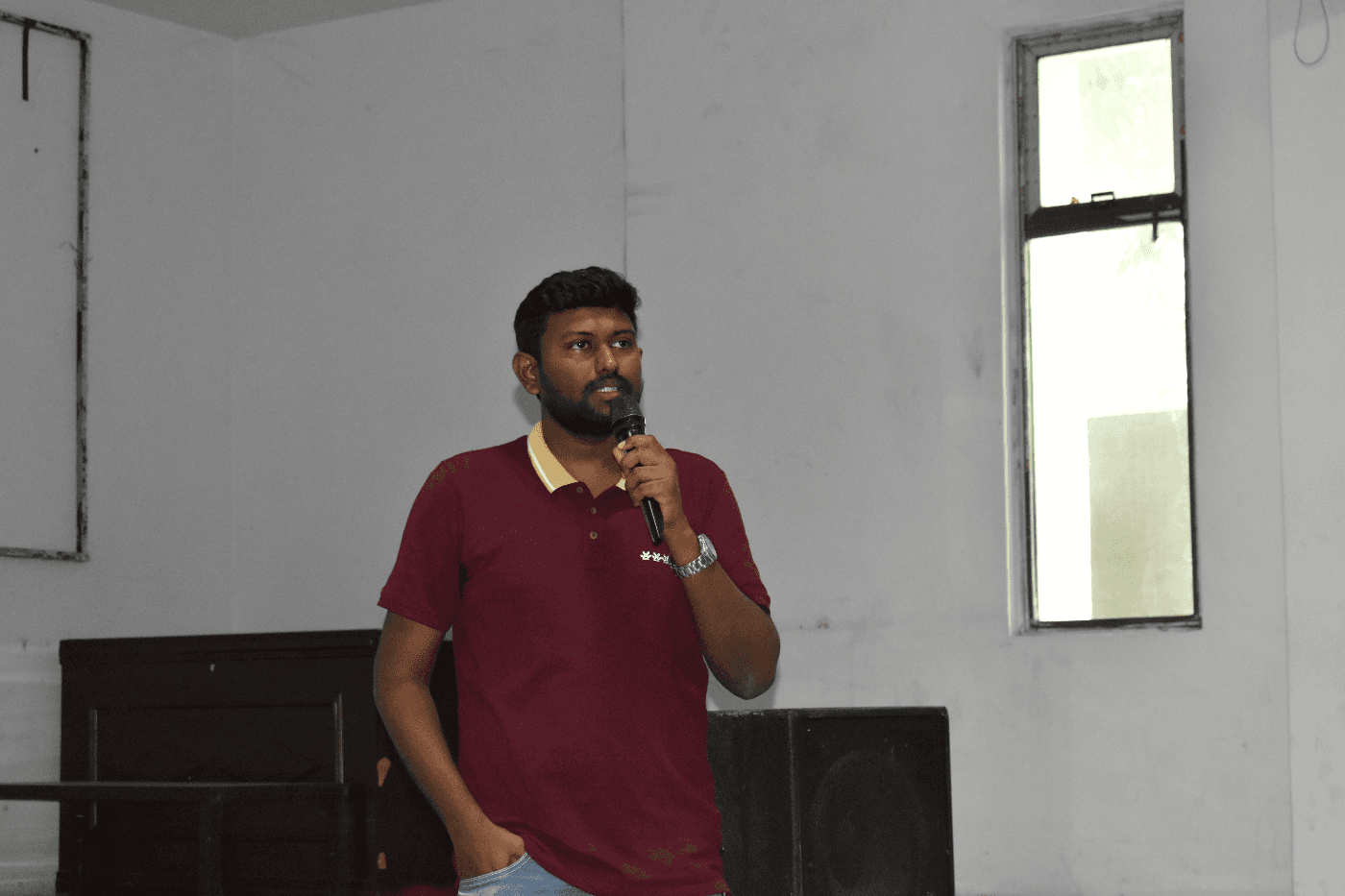
Mentor
Shreerama Jagannadha
Pharmacovigilance & Materiovigilance Expert
How complaint and safety teams work in leading companies Practical reportability and MDR decision-making Interview-ready skills for drug and device safety roles
EducationBachelor of Pharmacy, Andhra University
Experience12+ years of industry experience in pharmacovigilance
CompaniesTCS (Tata Consultancy Services), Bioclinica India Pvt Ltd, Wipro
ExpertiseDrug safety case processing & reporting Device complaints, MDR & MIR US FDA, EU and global requirements Job-ready skills and interview prep
Questions
Who can join Materiovigilance?
B.Pharm, M.Pharm, Pharm D and life sciences graduates.
What certificate does Materiovigilance give?
Certification Course
Where does Materiovigilance sit in the programme?
Materiovigilance training inside the ASCEND programme.
Where is the Materiovigilance class?
MIG 1-187, 2nd Floor, R.R. Chandana Residency, Dhanalaxmi Center, Opp. City Union Bank, KPHB Phase-I, Road No. 1, Hyderabad, Telangana 500072